Hidden Sodium in Thai Food: Where It Comes From and How Much to Consume
Many people think “eating salty food” simply means adding too much salt or fish sauce. In reality, sodium is hidden in more everyday foods than most people realize and is a major risk factor for high blood pressure, kidney disease, and cardiovascular disease.
How Much Sodium Should You Consume Each Day?
The World Health Organization recommends that adults consume no more than 2,000 mg of sodium per day, equivalent to approximately one teaspoon of salt.
Surveys indicate that Thai people consume nearly twice this recommended amount on average. Most of that sodium comes from seasonings used during cooking rather than salt sprinkled over finished dishes.
Where Is Sodium Hidden?
Fish sauce, soy sauce, and seasoning sauces: Major sources of sodium in Thai food. One tablespoon may contain approximately 400–1,300 mg of sodium, depending on the brand.
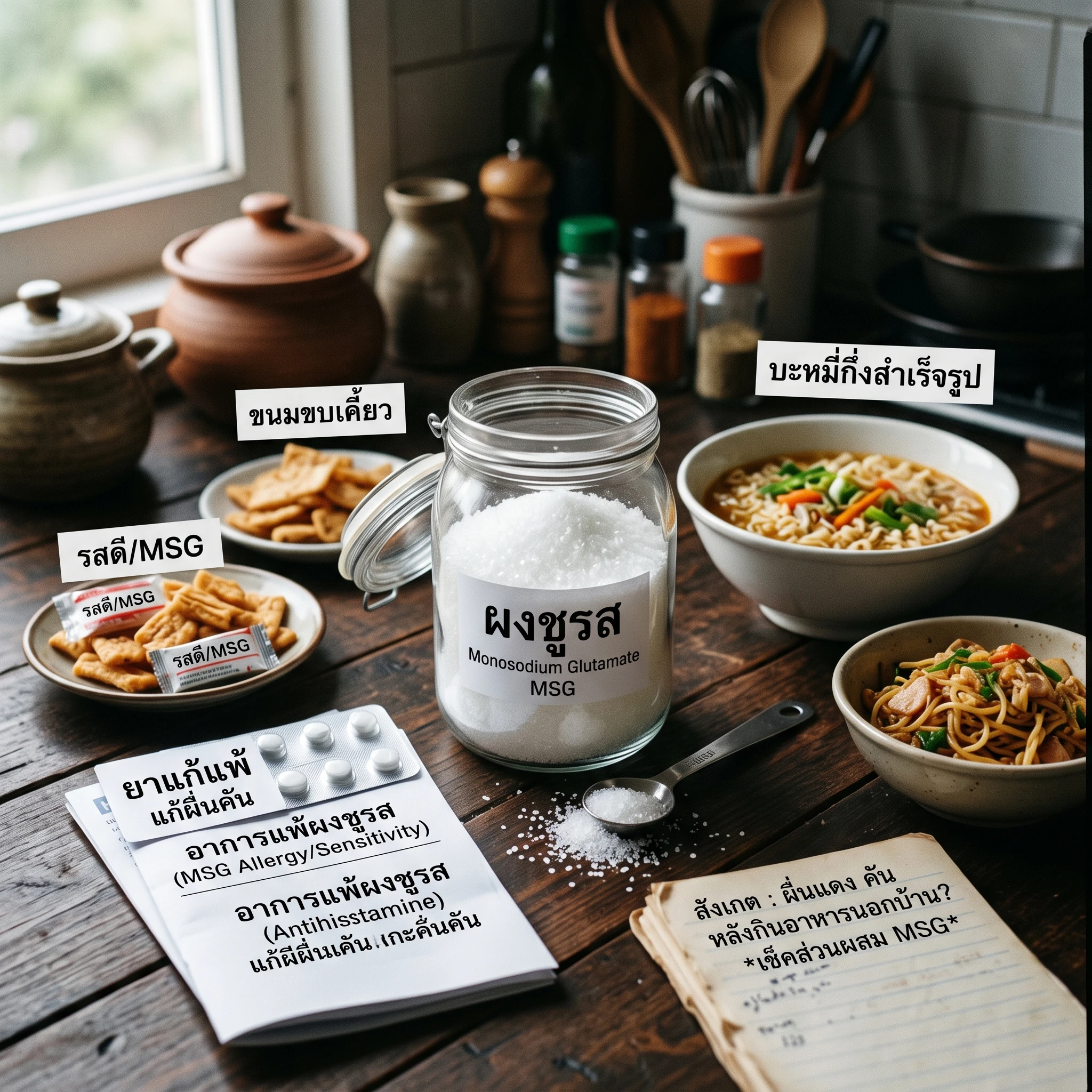
Seasoning powders and stock cubes: These often contain large amounts of sodium to intensify flavor.
Processed foods: Examples include sausages, fermented pork, instant noodles, and packaged snacks.
Dipping sauces and broths: Even clear-looking sauces and soups can contain unexpectedly high amounts of sodium.
An Easy Way to Calculate Sodium Before Using a Seasoning
One practical way to manage sodium is to read the nutrition label and convert the amount into sodium per tablespoon. A tablespoon reflects how seasonings are actually used in everyday cooking, while figures listed per 100 grams may make consumption more difficult to estimate accurately.
Example calculation:
If a seasoning contains 240 mg of sodium per tablespoon and you use two tablespoons in one meal, you receive approximately 480 mg of sodium from the seasoning alone. That equals about 24% of the recommended daily limit, leaving room for sodium from the meal’s other ingredients.
By comparison, some conventional sauces contain 800–1,000 mg or more per tablespoon. Using the same amount could provide more than half of the recommended daily sodium limit in the first meal alone.
Checklist for Choosing Seasonings
Check the sodium content per tablespoon, not only per 100 ml.
Compare it with the amount you actually use to prepare one meal.
Estimate what percentage it represents of the 2,000 mg daily limit.
Include sodium from other sources in the same meal, such as additional sauces, broth, and processed foods.
Paying attention to these small numbers on nutrition labels may feel inconvenient at first, but it can become a valuable habit for reducing the long-term risk of chronic disease—especially for people who regularly prepare their own meals.
BLOG & NEWS